
Mortgage Broker
in California
- 5-Star Rated Mortgage Broker
- We are Professionals You Can Trust
- Residential and Commercial Loans
- Open for Partnerships with Borrowers & Realtors
- Office located in Los Angeles

What type of property are you refinancing?

Single Family

Multifamily

Condominium

Townhouse
How will this property be used?

Primary Residence

Vacation Home
Investment Property
Estimate credit score

Excellent 770+

Good 660-719

Avg. 620-659

Below avg. 580-619

Poor <579


What type of property are you purchasing?

Single Family
Multifamily

Condominium

Townhouse
Are you a first-time home buyer?

Yes

No
How will this property be used?

Primary Residence

Vacation Home
Investment Property
Estimate credit score
Excellent 770+
Good 660-719
Avg. 620-659
Below avg. 580-619
Poor <579
Final Step
By clicking "Get My Quote" you certify that you read and completely agree with the Privacy Policy
Summary
| Description | Information | Quantity | Price |
|---|---|---|---|
| Discount : | |||
| Total : | |||



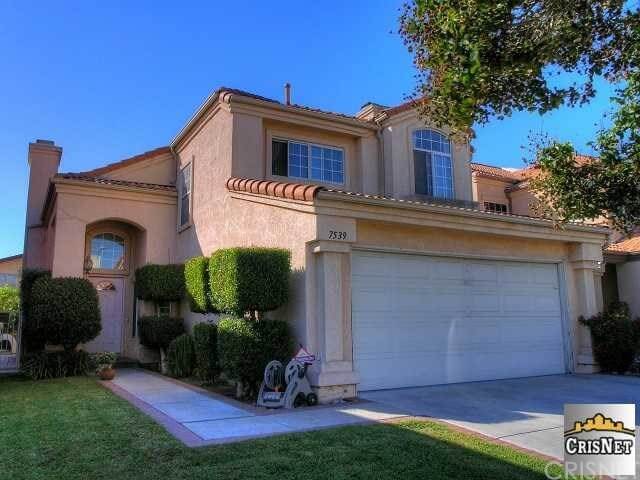
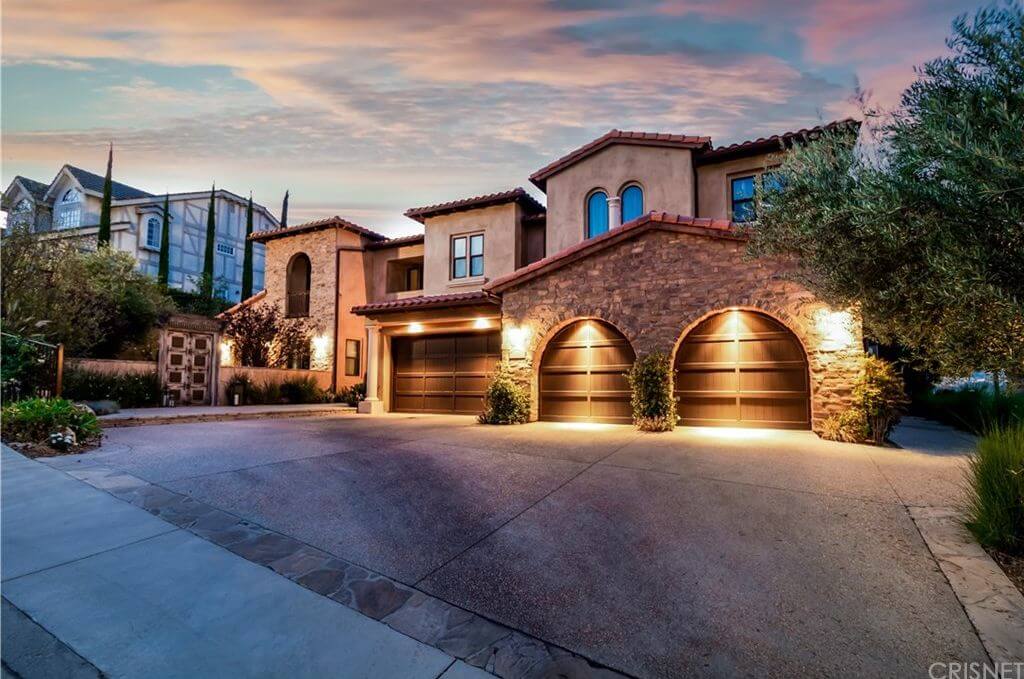
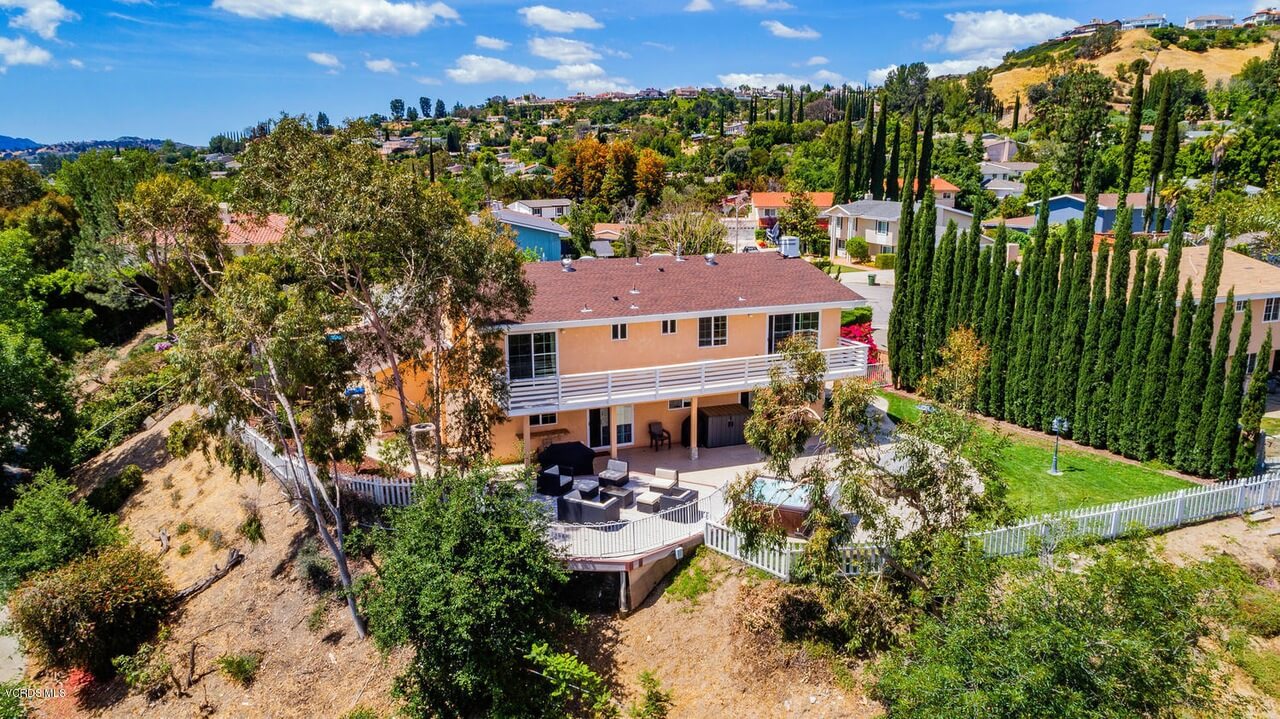
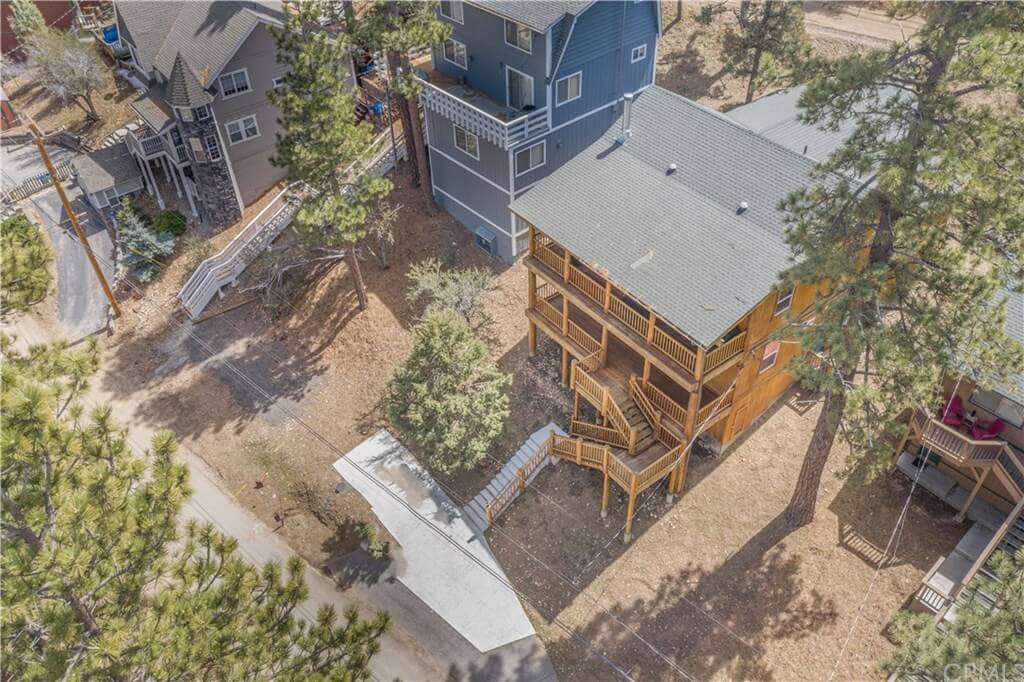
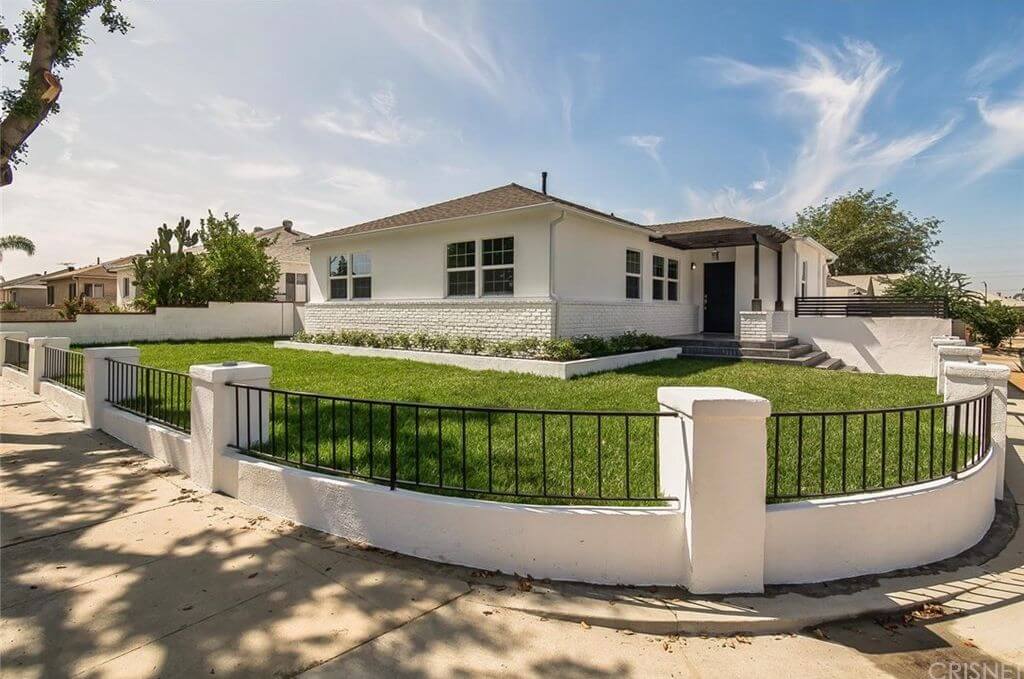
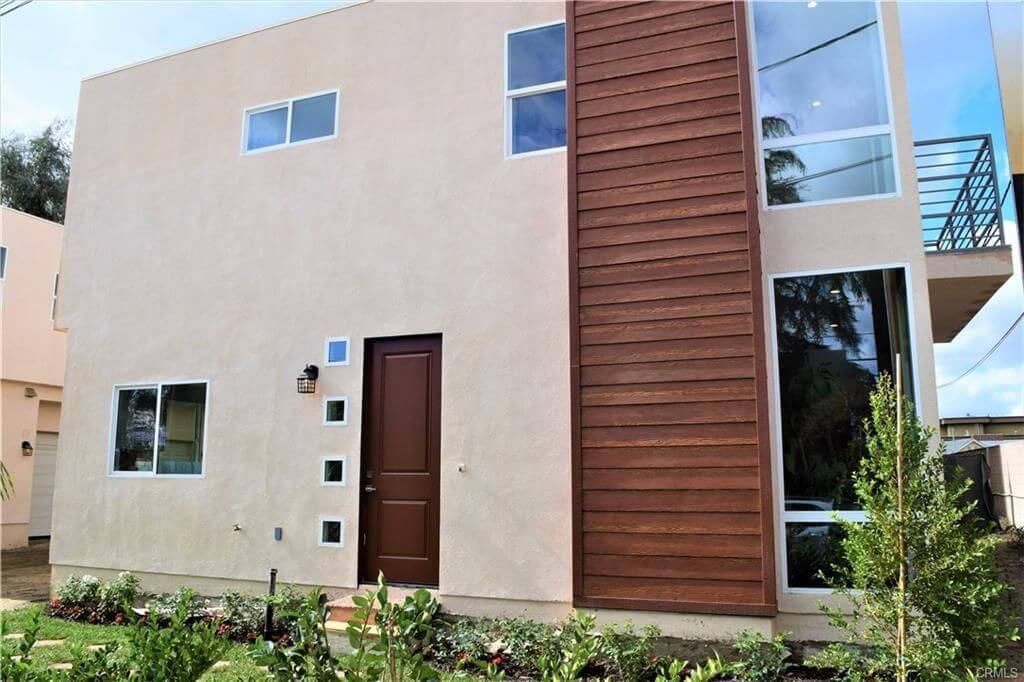
Recently Closed Mortgage Scenarios in California
We will gladly help you with a mortgage loan in California, which includes but not limited to the most popular regions and cities: Los Angeles, Ventura and Orange Counties, Pasadena, Long Beach, Malibu, Beverly Hills, Burbank, and Santa Monica.


Why ID Mortgage Broker?
We value our clients and strive for excellent service. Our specialists always find the right product to fit your needs. We look at the bigger picture, and we see a suitable solution for every buyer, no matter how much money he has. As home loan experts in California, we have a wide network of lenders and will be able to find the ideal loan product for every buyer.
We use modern technologies and remain updated all the time. We value your time and money, and not a minute, or a cent will be wasted when you turn to us to help you with your mortgage loan.
We value our reputation and treat every client like a friend with loyalty and respect. Our belief is that our success depends on ethics and moral principles. We are the company that a customer can trust!
Invest in Real Estate Today
Make your dream come true! Do you have any questions so far?
Call us for a free consultation
How to get a Mortgage in California?
Becoming a homeowner is what many people want but don’t think it is possible because of their financial situation. For millions of Americans, getting a mortgage loan opens up a way to the life they have dreamt about.
You can become a homeowner as soon as you ready to take this step. We are home loan experts in California and we will gladly assist and guide you throughout the entire loan process.
If you are planning to purchase a house in California or want to refinance your existing home loan or second mortgage – our team is the right hassle-free destination.
Have Questions? Reach us out:
Hours: Monday-Friday 10:00 AM - 5:00 PM
In-Person at LA Office
13317 Ventura Blvd #H, Sherman Oaks, CA 91423
Cell-phone
M-F 10 AM-5 PM (PST)
On-line
E-mail: contact@idmortgagebroker.com
Skype: click to join
The Best Home Loan Options in California

Buying a House
With a mortgage loan, you can buy a primary and secondary house, as well as an investment property. We will help you find the best deal with the lowest interest rate and down payment in California.

Mortgage Refinance
If you want to change a loan program and thus lower your interest rate or down payment, then refinancing from an adjustable to a fixed rate is for you. You can also do the cash-out refinance and get money for home improvements.

Home Loan Programs in California
We offer a wide range of mortgage programs that will suit every need. Including but not limited to bad-credit cases, variety of downpayment options, and your immigrant status.
The Benefits of a Mortgage Loan
The process of getting a loan will be fast and smooth because of our experience and specialization in different mortgage products.
You can become the owner of your house already today! You will feel secure about your finances because you will know how much you need to pay each month. The home will be a safe environment for your children and family.
Working with the ID Mortgage Broker will help you secure the best deal. We have been working in this sphere for years, and we will guide and help you to find the type of loan that will be the best in your situation.
How Does a Mortgage Loan Work?
A mortgage is a loan that is secured by a property. The money lender holds the title until the borrower pays all the funds. A buyer of the property has to pay back the loan within a particular time frame.
Step 1 - Pre-Qualification
Talk to us and know your options. First of all, you need to get your credit in check and get pre-approved for a mortgage. Various loan types require a different credit score, but the higher your credit score, the better terms on your mortgage loan you will get.
Step 2 - Find Your Dream Home
You look for the property that you would like to purchase. We will help select the most suitable home loan in Los Angeles or other cities in California. After that, we submit an application to the lender with your financial documentation. Enjoy the home shopping experience!
Step 3 - Signing a Contract
You sign the contract with a lender based on which you will pay a certain amount of money each month. The lender puts a lien on the home as collateral.
Step 4 - Make a Downpayment
Depending on the type of loan you have agreed upon you pay a principal loan amount together with a fixed or adjustable loan rate.
Step 5 - Become a Homeowner
After you have made all your payments you become not only the possessor but an owner of your house! You don’t have to spend years trying to save money while you live in a rented place. You can start investing in your own property!
Apply for a Mortgage Loan in California
We streamline the loan process so that it will be as efficient and straightforward for you as possible. We will help you find the best deals and mortgage rates faster.
You can apply and get approved on your terms within a short time. You don’t need to worry about all the details because our experienced specialists will do it for you.
OUR BUSINESS LOCATION
FOLLOW US
